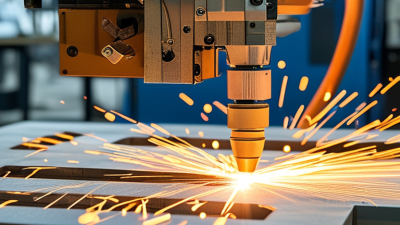
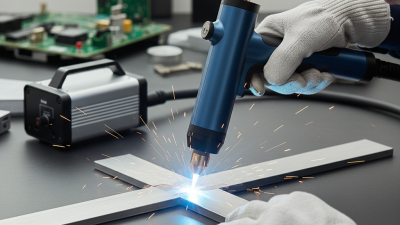
China Top 10 Hand Held Laser Welder Manufacturers

China’s handheld laser welding industry has grown from a niche field into a competitive manufacturing sector. Many Chinese suppliers now serve automotive, metal fabrication, kitchen equipment, and machinery workshops. This guide introduces China’s top 10 handheld laser welder manufacturers and explains what separates reliable suppliers from attractive but uncertain options.

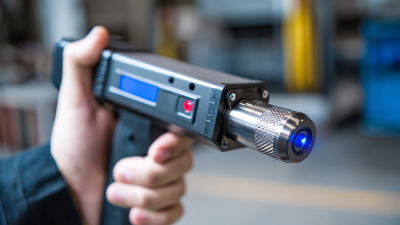
The phrase laser welder hand held describes more than a compact welding machine. It includes laser source quality, torch balance, cooling performance, wire-feeding control, software stability, and operator safety features. A dependable system should produce consistent beads on stainless steel, carbon steel, aluminum, and galvanized materials. Practical details matter. A lighter torch can reduce wrist fatigue during a long shift. Stable water temperature can protect the laser source during continuous operation.

The manufacturers discussed here are considered through technical capability, production experience, product documentation, after-sales support, and reported market presence. Certifications and test records should still be checked directly. No list is perfect. Some public data may be incomplete, and factory claims require careful verification. Buyers should request sample welds, inspect internal components, and confirm warranty terms before ordering. A low purchase price may hide training costs, weak spare-parts support, or difficult maintenance.

The comparison also considers customization, delivery communication, installation guidance, and service responsiveness. These details often become visible only after the machine reaches the workshop. A trustworthy manufacturer explains limitations clearly instead of promising every result. That honesty matters. With realistic expectations and proper operator training, the right Chinese supplier can provide efficient welding performance, manageable operating costs, and dependable long-term value.
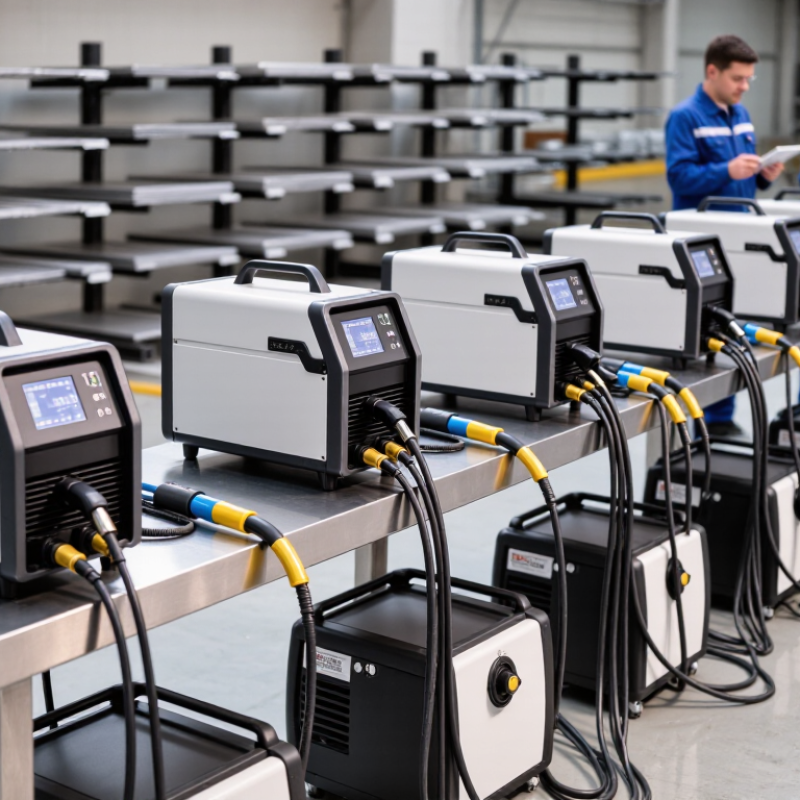
China Top 10 Hand Held Laser Welder Manufacturers

Handheld Laser Welding: Technology, Applications, and Key Benefits

Handheld laser welding uses a focused light beam to join metal with controlled heat input. The compact torch moves easily across panels, frames, and narrow corners. Operators can weld stainless steel, carbon steel, aluminum, and some galvanized materials. Clean edges and accurate settings usually produce smooth, narrow seams with limited distortion. Small details matter.

In factory trials, a handheld system can reduce grinding and shorten setup time. It suits cabinets, kitchen equipment, metal doors, automotive parts, and repair work. A wire feeder helps fill small gaps, while adjustable power controls support different thicknesses. The result depends on joint preparation, shielding gas, travel speed, and operator technique. It is not magic.

Safety requires disciplined handling. Proper laser-rated eyewear, guarded work areas, extraction equipment, and trained operators are essential. Reflective metals can create difficult beam paths, especially in crowded workshops. Manufacturers should verify interlocks, emergency controls, maintenance access, and documented testing before purchase. A practical evaluation should include sample welds, penetration checks, surface inspection, and operator feedback. Some advertised speed gains may disappear when cleaning, fixture changes, and rework are included.

How to Evaluate Chinese Handheld Laser Welder Manufacturers

China Top 10 Hand Held Laser Welder Manufacturers

How to Evaluate Chinese Handheld Laser Welder Manufacturers

Evaluating a Chinese handheld laser welder manufacturer requires more than comparing prices. Start with welding experience, production capacity, and technical specialization. Ask how long the factory has produced laser equipment, not merely traded it. Request sample welds on your actual materials and thicknesses. A clean showroom proves little.

Test the machine carefully. Check welding stability, beam control, cooling performance, and operator protection features. Ask for measured specifications, inspection records, and certification documents with clear product details. Confirm whether the stated power matches practical output. Small inconsistencies deserve questions. They may indicate weak quality control.

Speak with the engineering and service teams before ordering. A reliable manufacturer should explain lens replacement, parameter settings, maintenance intervals, and common faults in plain language. Examine warranty terms, spare-part availability, training, and remote support. Factory videos help, but a live demonstration is stronger evidence. If possible, arrange an independent inspection before shipment.

I once focused too heavily on purchase price. That was a mistake. Downtime, consumables, and slow technical replies can cost more than the initial saving. A serious supplier welcomes technical questions and admits limitations. No factory is perfect. However, transparent records, repeatable weld results, and responsive communication reveal professional maturity. Keep every specification in writing, including delivery scope and service responsibilities.

China’s Top 10 Handheld Laser Welder Manufacturers

China’s Top 10 Handheld Laser Welder Manufacturers reflect China’s growing role in precision metal processing. Fortune Business Insights estimated the global laser welding machine market at about USD 2.39 billion in 2023. It projects the market to reach nearly USD 3.41 billion by 2030. This growth is pushing Chinese manufacturers to improve beam stability, cooling systems, and operator safety.

A practical review should examine more than output power. Leading manufacturers commonly provide handheld systems from 1,000 to 3,000 watts, with welding speeds that can reach several meters per minute on suitable materials. Actual results depend on material thickness, joint design, shielding gas, and operator experience. ISO 9001 certification, documented factory testing, and compliance with IEC 60825-1 are useful reliability indicators. After-sales training also matters. A powerful machine is not automatically a better machine.

Public rankings remain imperfect. Some performance figures are self-reported, while independent testing is not always available. MarketsandMarkets has identified automation and fiber-laser adoption as major growth drivers in industrial laser applications. That trend supports demand for compact handheld equipment, especially among metal furniture, machinery, and automotive component producers. Buyers should request weld samples, duty-cycle data, consumable costs, and repair-response times. Small details reveal manufacturing discipline. A top-ten list should inform decisions, not replace technical verification.

China's Top 10 Handheld Laser Welder Manufacturers: Common Power Classes

A technical reference showing commonly advertised laser power classes and their typical upper sheet-metal thickness range. The chart does not rank or identify individual companies.

Higher laser power generally supports faster welding and thicker materials. Actual performance depends on material type, joint design, welding speed, shielding gas, beam mode, and operator settings. The thickness figures are representative ranges commonly stated in public handheld laser welder specifications.

Product Comparison: Power, Materials, Features, and Performance

China Top 10 Hand Held Laser Welder Manufacturers

When comparing China’s top ten hand held laser welder manufacturers, power is only one measurement. Common models range from 800 W to 2,000 W. Higher power usually improves penetration and travel speed. However, it can increase heat distortion on thin stainless steel sheets. A 1,500 W system often offers a practical balance for fabrication workshops.

Materials also change the result. Stainless steel, carbon steel, aluminum, and galvanized sheet require different wire sizes, gas flow, and settings. Aluminum needs stronger energy control because it reflects laser light. Copper is more demanding and may require specialized configurations. Market studies from MarketsandMarkets estimate the laser welding market will continue growing at a high single-digit annual rate through this decade. That growth reflects wider automation, but market forecasts differ.

Features deserve careful inspection. Check wobble patterns, cooling design, lens replacement time, parameter storage, and cable flexibility. Performance should be judged through weld width, penetration, spatter, and repeatability. A 2,000 W machine is not automatically better. My practical concern is that many comparisons ignore operator training and maintenance. That weakens otherwise impressive specifications.

Tips: Test three material thicknesses before purchasing. Record power, speed, wire feed, and shielding gas. Ask for sample welds and independent safety documentation. Verify laser classification against applicable standards, including IEC 60825-1. Also review welding procedure qualification requirements under ISO 15614-11. Small details often decide real workshop productivity.

How to Choose a Reliable Handheld Laser Welder Supplier

China Top 10 Hand Held Laser Welder Manufacturers

How to Choose a Reliable Handheld Laser Welder Supplier

Choosing a handheld laser welder supplier requires more than comparing prices. Check the manufacturer’s production experience, engineering staff, and quality control records. A reliable supplier should explain power options, welding thickness, cooling methods, and suitable materials clearly. Ask for traceable test reports, electrical safety documents, and a written warranty.

Request a live welding demonstration using your actual materials. Test stainless steel, carbon steel, or aluminum samples with your planned thickness. Watch the weld bead, penetration, heat distortion, and wire feeding stability. A polished showroom sample proves very little. It may hide difficult settings. Ask whether the supplier can provide sample photos, process parameters, and inspection records from ordinary production units.

Visit the factory when possible, or arrange a detailed video audit. Look for assembly areas, component storage, calibration tools, and final inspection procedures. Confirm spare-part availability, operator training, software support, and response times. One practical detail matters: ask who handles repairs after delivery. A low price can become expensive when a cooling unit or optical component fails. I have seen suppliers explain technical specifications well but respond slowly after payment. That weakness should not be ignored. Check customer references carefully, and require every important promise in the contract.

China Top 10 Hand Held Laser Welder Manufacturers - How to Choose a Reliable Handheld Laser Welder Supplier

Rank Anonymous Supplier Profile Typical Rated Power Laser Wavelength Typical Welding Capability Cooling Method Common Wire Diameter Core Safety Features Recommended Application Key Reliability Checks
1 Profile A — High-Volume Industrial Supplier 1,500–3,000 W Approx. 1,070 nm Carbon steel and stainless steel up to several millimeters, depending on joint design and power Integrated water chiller 0.8–1.6 mm Key switch, emergency stop, interlock, protective-gas monitoring Fabrication, machinery frames, metal cabinets Confirm continuous-duty rating, chiller capacity, optical-component availability, and factory acceptance-test records.
2 Profile B — Export-Oriented OEM Supplier 1,000–2,000 W Approx. 1,070 nm Thin- to medium-gauge stainless steel, mild steel, aluminum, and galvanized sheet Air cooling on lower-power units; water cooling on higher-power units 0.8–1.2 mm Laser enable control, door or enclosure interlock, emergency stop General fabrication and contract manufacturing Request electrical diagrams, applicable conformity documents, spare-parts lists, and a sample-welding video using the target materials.
3 Profile C — Compact Workshop Supplier 800–1,500 W Approx. 1,070 nm Light-gauge steel and stainless-steel parts with short weld seams Air cooling or compact closed-loop cooling 0.8–1.0 mm Trigger protection, key switch, emergency stop, safety alarm Repair shops, small workshops, custom metalwork Check actual duty cycle, handpiece weight, replacement nozzle cost, and whether the unit supports local voltage and frequency.
4 Profile D — Automation-Ready Supplier 1,500–2,000 W Approx. 1,070 nm Repeatable welding of brackets, housings, frames, and prepared fixtures Industrial water chiller 0.8–1.6 mm Interlocks, emergency stop, alarm display, programmable process parameters Production lines and fixture-based welding Verify I/O availability, parameter locking, repeatability data, software language, and integration support.
5 Profile E — Stainless-Steel Specialist 1,000–1,500 W Approx. 1,070 nm Clean lap, butt, and corner welds on stainless-steel sheet and tubing Integrated water chiller 0.8–1.2 mm Safety interlock, key switch, emergency stop, gas-flow protection Food-service equipment, enclosures, architectural metalwork Ask for weld samples, heat-affected-zone results, gas recommendations, and documented cleaning or passivation procedures.
6 Profile F — Aluminum-Capable Supplier 1,500–3,000 W Approx. 1,070 nm Aluminum requires suitable power, joint preparation, shielding gas, and parameter control Industrial water chiller 1.0–1.6 mm Interlock, emergency stop, reflected-light protection, alarm monitoring Automotive parts, aluminum frames, fabricated housings Require material-specific trials, porosity inspection, joint-gap limits, and confirmation of compatible wire-feed settings.
7 Profile G — Entry-Level Value Supplier 800–1,200 W Approx. 1,070 nm Thin sheet and small components where low heat input is important Air cooling or compact water cooling 0.8–1.0 mm Key switch, emergency stop, trigger control, basic alarm system Maintenance departments and low-volume work Compare total cost of ownership, warranty exclusions, consumable prices, training, and local service response time.
8 Profile H — Heavy-Duty Fabrication Supplier 2,000–3,000 W Approx. 1,070 nm Medium-gauge carbon steel and stainless-steel fabrication with longer weld cycles High-capacity water chiller 1.0–1.6 mm Full interlock circuit, emergency stop, temperature and flow alarms Heavy equipment, structural components, industrial frames Verify thermal stability, continuous operating time, protective-gas consumption, and availability of certified operator training.
9 Profile I — Custom Configuration Supplier 1,000–2,000 W Approx. 1,070 nm Configurable welding settings for different metals, thicknesses, and joint geometries Water cooling for production configurations 0.8–1.6 mm Programmable controls, safety interlock, emergency stop, alarm history OEM projects and specialized fabrication Obtain a written specification, approved configuration drawing, software backup, and confirmation of all optional accessories.
10 Profile J — Service-Focused Regional Supplier 1,000–1,500 W Approx. 1,070 nm General-purpose welding of steel, stainless steel, and selected non-ferrous metals Integrated water chiller 0.8–1.2 mm Emergency stop, key switch, interlock, protective-gas alarm Small and medium-sized production facilities Check technician availability, remote-diagnostic capability, spare-parts stock, warranty terms, and documented response times.
Selection note: The profiles above summarize common published configuration ranges for handheld fiber laser welders. Actual penetration, welding speed, duty cycle, and material capability depend on laser source, optics, joint fit-up, shielding gas, wire selection, operator skill, and machine configuration. Request a material-specific welding trial and complete technical documentation before purchase.