How to Choose the Best Handheld Laser Welder?
Choosing the best handheld laser welder requires more than comparing wattage and price. The right machine must match your materials, joint designs, production volume, and operator experience. A laser welder hand held model may look compact, yet its performance depends on beam stability, cooling, controls, and service support.
Start with the work itself. Thin stainless steel may need different settings than aluminum frames or carbon steel brackets. Check the required welding thickness, wire-feeding options, focal distance, and adjustable power range. A comfortable handle matters during long shifts. A clear control panel matters even more when settings change between jobs. Test samples before making a purchase. Small weld beads can reveal spatter, uneven penetration, or excessive heat discoloration.
Safety and reliability should guide every decision. Look for enclosed or properly engineered systems, emergency stops, protective eyewear requirements, training materials, and documented maintenance procedures. Reputable manufacturers should provide technical specifications, realistic duty cycles, warranty terms, and responsive support. Independent demonstrations can help, but marketing videos rarely show every limitation. This guide compares the practical details that affect daily results, including portability, cooling performance, consumable costs, and learning difficulty. No buying method is perfect. Even experienced welders can overlook service access or operator fatigue. A careful trial remains the most trustworthy test.
What Is a Handheld Laser Welder and How Does It Work?
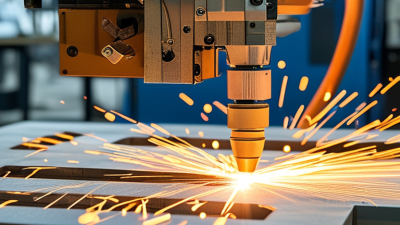
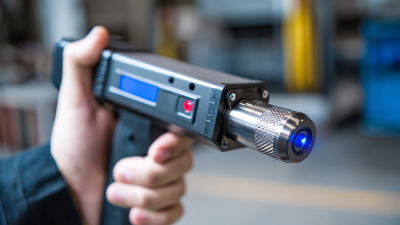
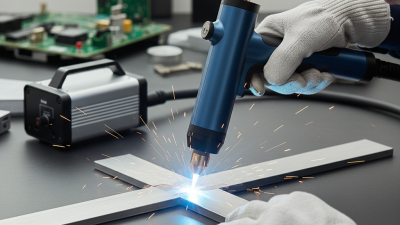
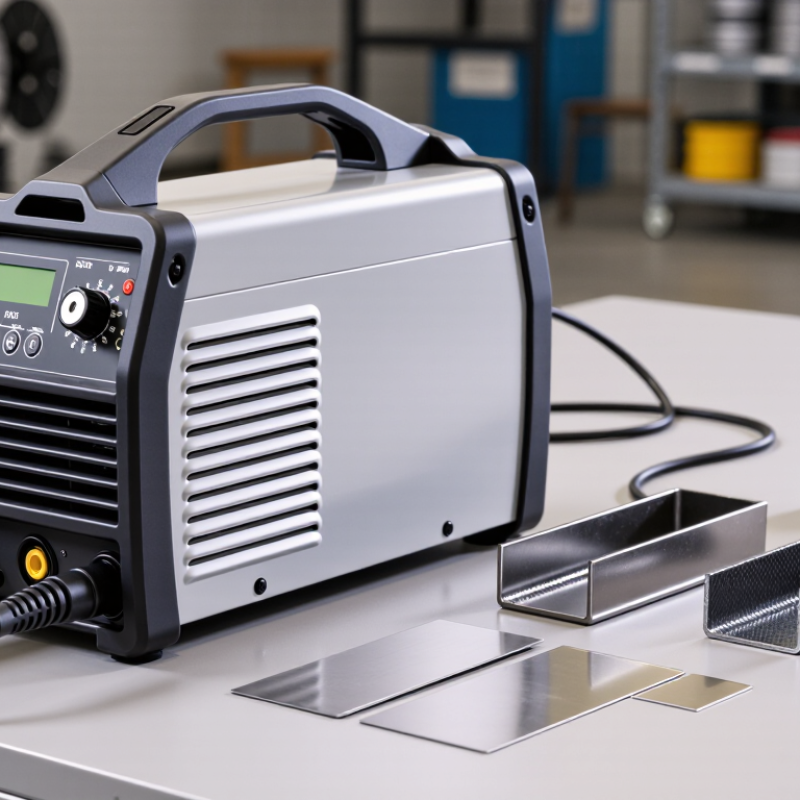
A handheld laser welder is a compact tool that joins metal through a concentrated beam of light. The beam creates intense heat at a small working point. Metal edges melt and fuse with limited heat spreading. This often produces narrow welds, clean surfaces, and less distortion than traditional methods. The operator guides the welding head by hand. Wire may be added when the joint needs extra material. Settings usually include laser power, pulse pattern, wire speed, and shielding gas flow.
The process looks simple, but control matters. I have found that a steady hand and correct focus affect the result more than beginners expect. Stainless steel, carbon steel, aluminum, and galvanized surfaces may require different settings. A poorly prepared joint can still fail with an advanced machine. That point is easy to overlook. Check material thickness, joint design, and surface cleanliness before choosing equipment. A clear viewing window, adjustable controls, and stable cooling can improve daily work.
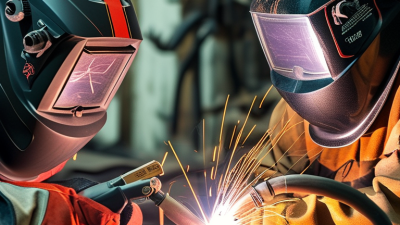
Tips: Wear the specified eye protection and protective clothing. Keep the work area ventilated and remove flammable materials. Start with scrap metal before touching a finished part. Record successful settings for each material. Do not rely on factory presets alone; real workshop conditions can change the weld. When evaluating a handheld laser welder, ask about training, service support, safety functions, and tested power performance rather than focusing only on advertised speed.
Which Materials and Welding Tasks Suit Handheld Laser Welding?
Handheld laser welding suits many precise metalwork tasks, especially when speed and low heat input matter. Stainless steel, mild steel, galvanized steel, aluminum, and some copper alloys can respond well. However, each material needs suitable power, wavelength, shielding gas, and wire selection. A bright, narrow weld does not automatically mean a strong joint.
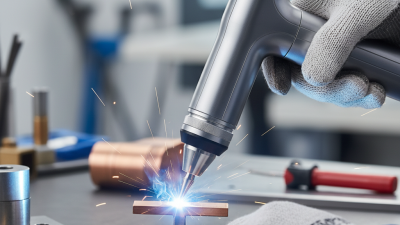
In practical fabrication, handheld systems work well for thin sheet panels, cabinets, kitchen equipment, metal frames, and repair seams. They can join butt, lap, and corner joints with limited distortion. Stainless steel often produces clean edges. Aluminum demands tighter control because it reflects energy and conducts heat quickly. Copper is more demanding. It may require higher power and careful parameter testing.
Fit-up remains critical. Poor gaps can cause underfill, spatter, or an unstable arc-like process. I would test the exact material thickness before production, using sample coupons and destructive checks when possible. That step feels slow, but it prevents expensive surprises. Laser welding is not a magic wand. Highly reflective surfaces, contaminated metal, thick sections, and awkward positions may reduce its advantages. Operators also need proper eye protection, enclosure controls, ventilation, and documented procedures. A capable machine still depends on disciplined setup and realistic process limits.
How to Compare Laser Power, Beam Control, and Welding Performance
How to Choose the Best Handheld Laser Welder?
Laser power should match the material, thickness, and joint design. More power is not always better. A 1,000-watt unit may handle thin stainless steel efficiently, while thicker mild steel may need higher output. Compare machines using the same plate thickness, travel speed, shielding gas, and wire size. Otherwise, the test can mislead you. Watch the weld pool closely. It should remain stable, with limited spatter and controlled penetration. Excessive heat can discolor thin sheet metal or enlarge the heat-affected zone.
Beam control strongly affects daily welding quality. Adjustable spot size and wobble width help manage corners, gaps, and uneven surfaces. A narrow beam creates concentrated heat for precise seams. A wider pattern spreads energy across larger joints. Check whether the controls respond smoothly while wearing gloves. Small delays can make a visible difference. I once focused too much on maximum power and overlooked wobble stability. That was a costly mistake in production.
Welding performance also depends on cooling, duty cycle, wire feeding, and torch balance. A clean bead means little if the torch becomes uncomfortable after twenty minutes. Inspect penetration on cut samples, not only the surface appearance. Look for pores, undercutting, weak fusion, and inconsistent bead width. Record each result with photographs and simple measurements. Real workshop conditions are imperfect, so repeat the test after changing speed slightly. The best handheld laser welder is not simply the strongest model. It is the one that produces repeatable results with manageable heat and operator control.
What Safety, Ergonomic, and Maintenance Features Should You Check?
Safety features deserve more attention than a high power rating. Check that the welder has a clearly marked emergency stop, a trigger lock, and safeguards that prevent accidental firing. Choose protective eyewear specified for the laser’s wavelength and output; ordinary shop glasses are not enough. A controlled work area, warning indicators, and suitable fume extraction also matter. Reflections can travel from shiny metal. Plan the beam path and keep bystanders outside the work zone.
Ergonomics affect steady, repeatable work. Compare the torch’s weight, grip shape, trigger position, and cable flexibility. Hold the tool in your usual welding posture, if possible, and notice whether your wrist twists or your shoulder lifts. Test it. A balanced torch can feel manageable during a short demonstration but tiring during longer welds. That detail is easy to miss.
For maintenance, check how the protective window, nozzle, and cooling system are accessed and cleaned. Inspect cables and connectors for wear, and follow the maker’s service schedule rather than improvising repairs. Ask whether replacement optics are readily available and whether routine servicing requires a qualified technician. Keep a simple log of cleaning and faults. Small checks matter.
How to Choose the Best Handheld Laser Welder?
Relevant safety-standard edition years to check when evaluating a handheld laser welding system
Check the applicable editions of these standards and ask for documentation covering the complete welding setup, including the laser source, enclosure or work area, interlocks, and protective eyewear. Also assess handle weight and balance, trigger usability, cable management, access to replaceable parts, and the maintenance schedule. Standard edition years do not indicate a welder’s performance or certification.
How to Evaluate Cost, Support, and Long-Term Value Before Buying
A handheld laser welder’s price is only one part of its real cost. Compare the full package, including the power source, torch, cables, protective equipment, and any required training. Ask what routine maintenance involves and which parts may need replacement. Small details matter. A lower quote can become less attractive if essential items are missing or shipping delays interrupt a job.
Support deserves the same careful review as the machine itself. Ask how quickly a technician typically responds, whether remote troubleshooting is available, and where service parts are stored. Request clear warranty terms in writing, including what is excluded and who pays freight. If possible, speak with operators who use similar equipment and materials. Their day-to-day experience may reveal issues that a polished demonstration will not.
Long-term value depends on consistent weld quality, manageable upkeep, and fit with your actual workload. Have the supplier demonstrate the machine on representative material and joint types, then inspect the finished welds under suitable conditions. Track setup time, cleaning needs, and training demands during a trial. I would leave some room for doubt: one impressive sample does not prove reliable performance across every shift. Compare expected downtime and service costs with the purchase price, using realistic—not optimistic—assumptions.