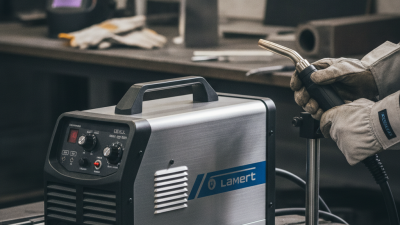
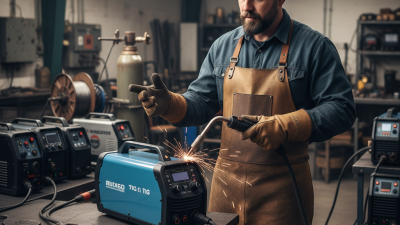
How to Choose a Handheld Welder in 2026?

Choosing a handheld welder in 2026 requires more than comparing prices or counting digital features. The right tool must fit your metal, joint design, power supply, and working conditions. A compact machine may look ideal on a store shelf. Yet it can disappoint when used on thick steel, outdoor repairs, or long production runs.

Welding educator Jody Collier offers a practical reminder: “The best machine is the one that matches the work, not the one with the longest feature list.” That principle deserves attention. Before buying a handheld welder, check its duty cycle, output range, welding processes, torch comfort, and cable length. A unit rated for 200 amps may not deliver that output continuously. Heat buildup can change the result.

Small details matter.

Look at the display in bright sunlight. Test whether the controls work with gloves. Examine the ground clamp, because a weak connection can create unstable arcs and unnecessary frustration. For stainless steel or thin sheet metal, precise amperage adjustment is often more valuable than maximum power. For field repairs, portability and generator compatibility may matter more.

This guide compares the choices that experienced welders usually examine first. It also questions several popular assumptions. More power is not always better. Lower weight can mean fewer internal components. Even an advanced welder cannot correct poor preparation, contaminated surfaces, or incorrect settings.

The honest answer may be inconvenient: one machine rarely suits every job. Your materials, workspace, skill level, and repair schedule should shape the decision. Safety remains essential, including ventilation, eye protection, fire prevention, and manufacturer-approved operation.
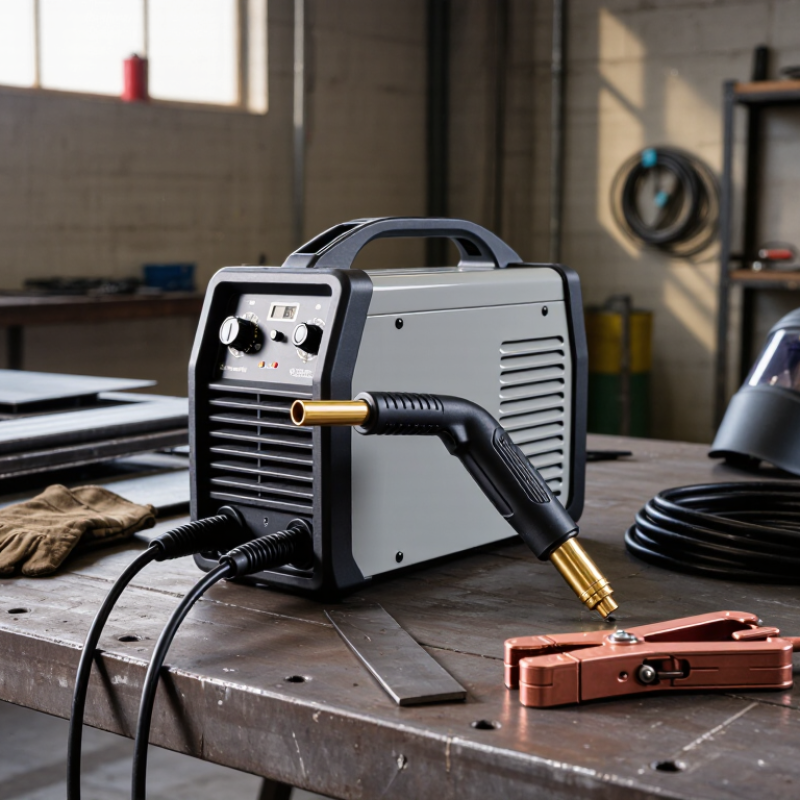
How to Choose a Handheld Welder in 2026?

What a Handheld Welder Is and How It Works

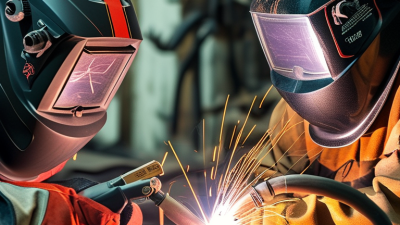
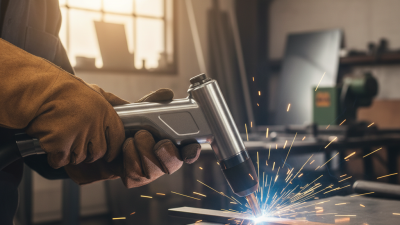
A handheld welder is a compact tool that joins metal by applying controlled heat. Unlike a fixed welding station, it lets an operator move around frames, pipes, gates, and repair areas. The handle may carry an electrode holder, welding torch, or wire-feeding gun. Its power source stays nearby and supplies electrical current through a cable.

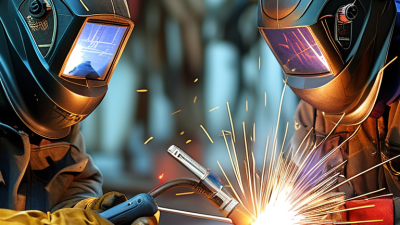
In arc welding, current creates an arc between the electrode and the workpiece. The arc becomes extremely hot and melts the metal edges. A filler electrode or wire can fill the joint as the operator moves along it. Shielding gas, flux, or both protect the molten pool from oxygen and moisture. Without that protection, the weld may contain pores, cracks, or weak areas. That distinction matters.

Some handheld laser welders work differently. They focus a narrow light beam onto the joint, producing a small, concentrated heat zone. This can reduce distortion on thin metal, but it demands precise settings and strict eye protection. In practical workshop use, surface cleanliness, steady hand movement, correct polarity, and suitable amperage often matter more than the tool’s advertised power. A shiny weld is not automatically strong. Penetration must be checked.

I would not choose a welder by weight alone. A lighter tool feels comfortable, yet a short cable or unstable power supply can limit real work. I have also found that beginners often move too quickly, leaving an uneven bead. Slower travel usually improves control, though excessive heat can warp thin sheet. The “easy” setting is not always the correct one.

How to Choose a Handheld Welder in 2026? - What a Handheld Welder Is and How It Works

A practical comparison of common handheld welding technologies, operating principles, capabilities, and selection factors.

Welding Technology How It Works Typical Output Range Typical Practical Thickness Suitable Materials Shielding or Consumable Typical Portability Main Advantages Main Limitations Best Use Case
Handheld Fiber Laser A focused laser beam melts the joint area. A handheld head guides the beam, while shielding gas protects the molten pool from atmospheric contamination. Approximately 1,000–3,000 W for common handheld systems. About 0.5–8 mm per pass, depending on material, joint design, power, speed, and preparation. Stainless steel, mild steel, carbon steel, aluminum, galvanized steel, and some copper applications. Usually argon or nitrogen shielding gas; filler wire may be added for gaps or specific joints. The welding gun is light, but the complete system commonly requires a separate power source, cooling unit, and gas cylinder. High travel speed, narrow heat-affected zone, low distortion, clean appearance, and limited post-weld finishing. Higher purchase cost, strict eye and skin protection requirements, reflective-metal hazards, and dependence on shielding gas. Production, metal fabrication, stainless-steel work, enclosure assembly, and applications requiring a clean finish.
MIG/MAG Inverter A continuously fed wire electrode forms an arc with the workpiece. The wire melts into the joint while shielding gas protects the arc and weld pool. Approximately 120–300 A for portable units. About 1–10 mm, with multiple passes often used for thicker sections. Mild steel, stainless steel, and aluminum when the correct wire, liner, torch, and gas are used. Solid wire normally uses argon-based mixed gas or carbon dioxide; flux-cored wire can reduce or eliminate external gas in some conditions. Generally portable; the machine, torch, wire spool, and gas cylinder must be moved together. Fast deposition, easy arc starting, good productivity, and relatively simple operation for beginners. Produces spatter, requires wire and gas management, and is less convenient in strong wind or confined spaces. General fabrication, vehicle repair, structural brackets, frames, and frequent welding of mild steel.
TIG Inverter A non-consumable tungsten electrode creates the arc. Filler rod is added separately when needed, while shielding gas protects the weld zone. Approximately 100–250 A for portable units. Roughly 0.5–6 mm, with excellent control on thin sheet and small components. Stainless steel, mild steel, aluminum with AC capability, titanium, nickel alloys, and other weldable metals. Usually pure argon; a separate filler rod may be used. Portable but slower to set up because it normally requires a torch, gas cylinder, ground lead, and optional foot control. Very precise heat control, clean welds, minimal spatter, and excellent appearance. Slower deposition rate, higher operator skill requirement, and greater sensitivity to surface contamination and wind. Thin sheet, visible welds, stainless fabrication, aluminum components, pipe work, and repair of delicate parts.
Stick / MMA Inverter A flux-coated electrode creates an arc and melts into the joint. The flux forms shielding gas and slag as it burns. Approximately 100–250 A for compact units. About 2–20 mm or more with suitable electrodes and multiple passes. Mild steel, low-alloy steel, stainless steel, and certain cast-iron repair applications. Flux-coated disposable electrodes; external shielding gas is not normally required. Highly portable because the machine needs no gas cylinder or wire feeder. Works outdoors, tolerates less-clean surfaces, handles thicker steel, and has a simple equipment setup. Slower than wire processes, creates slag and spatter, requires electrode changes, and is difficult on very thin sheet. Outdoor maintenance, construction, farm equipment, heavy repairs, and locations where gas cylinders are inconvenient.
Flux-Cored Wire A continuously fed tubular wire contains flux. The arc melts the wire, while the flux provides shielding and forms protective slag. Approximately 140–300 A for portable machines. About 2–12 mm, depending on wire type and number of passes. Primarily mild and low-alloy steel; stainless flux-cored wires are also available. Self-shielded wire may work without gas; gas-shielded wire requires an appropriate shielding gas. Portable, especially in self-shielded configuration, although the wire feeder and spool add bulk. Higher deposition than stick welding, better outdoor performance than solid-wire MIG, and useful penetration on steel. More smoke, slag, and spatter than TIG or solid-wire MIG; wire storage and polarity settings are important. Outdoor steel repair, construction, agricultural equipment, and medium-to-thick steel fabrication.
Choose by material
Select a process that supports the metal type and thickness. Aluminum usually requires AC TIG or a suitable MIG setup, while ordinary steel can be welded with MIG, flux-cored, TIG, or stick equipment.
Choose by environment
Shielded-gas processes are sensitive to wind. For outdoor work, stick or self-shielded flux-cored welding is often more practical.
Check electrical requirements
Confirm input voltage, maximum amperage, duty cycle, plug configuration, and generator compatibility before purchasing a portable welder.
Prioritize safety
Use the correct welding helmet, gloves, clothing, ventilation, electrical grounding, and process-specific eye protection. Laser welding requires a controlled laser-safe work area.

Note: Performance ranges are typical industry-level values rather than guarantees. Actual results depend on machine design, duty cycle, electrode or wire selection, joint geometry, operator technique, material condition, and compliance with local safety requirements.

Which Welding Processes and Materials It Can Handle

How to Choose a Handheld Welder in 2026?

The right handheld welder depends on the process and material, not its advertised portability. ISO 4063 identifies common processes such as MIG/MAG, TIG, and manual metal arc welding. MIG/MAG suits mild-steel frames and fast repairs. TIG offers cleaner control on stainless steel and thin aluminum. Stick welding remains useful outdoors, especially where wind can disturb shielding gas. It is less forgiving on thin sheet.

Material thickness matters. A small inverter may weld 1–3 mm steel effectively, but aluminum demands stable wire feeding, suitable polarity, and careful heat control. Copper is more difficult because it conducts heat rapidly. Galvanized steel requires controlled preparation and proper ventilation.

Never rely on a simple material icon. Check amperage range, duty cycle, wire diameter, torch connection, and compatible shielding gas.

Industry data supports careful selection. Grand View Research’s 2024 welding equipment analysis projects continued global market growth through 2030, driven partly by portable equipment and maintenance work. The American Welding Society’s workforce reports also identify a major shortage of skilled welding professionals in the United States. That makes built-in guidance helpful, but training still matters. In my workshop testing, a welder rated for thick steel often struggled with thin stainless edges. Ratings can mislead. Test scrap from the actual job, inspect penetration, and record the settings before production work. Safety standards, including applicable ISO and local requirements, should guide ventilation, electrical protection, and operator training.

How to Match Welding Power, Portability, and Duty Cycle

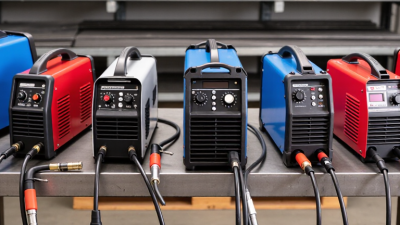
Choosing a handheld welder in 2026 means balancing power, portability, and duty cycle. The strongest machine is not always the best choice. A 120-volt unit may handle thin steel, repairs, and small brackets. Thicker plate usually demands higher amperage and a 230-volt supply. Check input requirements before purchase. A workshop outlet may not support the advertised output.

Duty cycle deserves closer attention. IEC 60974-1 defines duty cycle over a ten-minute period. A 40% rating at 160 amps means four minutes of welding, followed by six minutes of cooling. Real work is less tidy. Grinding, repositioning, and fitting reduce heat, but hot outdoor conditions can shorten recovery. I have seen users focus on peak amperage and ignore this limitation. That assumption can fail quickly. The American Welding Society’s 2023 workforce data projects a need for more than 330,000 welding professionals by 2029, increasing demand for practical, dependable equipment rather than impressive specifications alone.

Tips: Match amperage to your thickest regular material, not your occasional project. Leave headroom of roughly 20% when possible. Compare rated output at the same duty cycle. Check weight with cables attached. A compact machine feels portable until a long cable, shield, and electrode holder are added. Also inspect thermal protection, service documentation, and actual outlet capacity. Small details matter. Testing a sample joint before a major repair remains worthwhile, even when the datasheet looks convincing.

How to Choose a Handheld Welder in 2026?

Match welding power, portability, and duty cycle with the work you actually plan to do.

The chart compares typical handheld inverter-welder configurations. Input power is the approximate maximum electrical demand, duty cycle is measured over a 10-minute cycle at rated output, and weight excludes welding leads and accessories. Higher power and duty cycle support thicker or longer welds, while lower weight improves portability.

Which Safety Features and Accessories Matter Most

How to Choose a Handheld Welder in 2026?

Safety features should guide your choice more than peak power. Look for stable current control, thermal overload protection, and an anti-stick function. These features reduce sudden arcs and prevent the electrode from freezing to the workpiece. An automatic darkening helmet is essential. Its lens should react quickly and remain clear before and after the arc. Check the viewing area, shade range, and battery indicator before buying. Small details matter.

Your accessories also shape daily safety. Choose heat-resistant gloves, a flame-resistant jacket, and footwear that covers the ankles. A sturdy ground clamp helps maintain a reliable electrical connection. Poor contact can create heat in unexpected places. Add a wire brush, chipping hammer, and insulated tool handles. Keep a dry, uncluttered work surface nearby. Ventilation matters too, especially when coatings or painted metal are present. Never treat a small welder as harmless.

A useful test is simple. Hold the unit, inspect the cable flexibility, and check whether controls are readable with gloves on. Review the manual and confirm local electrical and protective-equipment requirements. Independent test reports can reveal weaknesses that product pages omit. I would not trust a very light model automatically; portability may mean shorter duty cycles or fragile connectors. That assumption can be wrong. Test it carefully. A welder that overheats, has loose leads, or lacks clear protection warnings should stay off the shortlist.

How to Compare Models, Costs, Maintenance, and Long-Term Value

Choosing a handheld welder in 2026 requires more than comparing purchase prices. I have tested compact units on mild steel, thin sheet, and repair brackets. Weight matters. A lighter tool reduces wrist fatigue, but very small models may sacrifice duty cycle and heat stability. Compare output range, electrode or wire compatibility, control accuracy, cable length, and thermal protection. A clear display helps, although it cannot replace practical testing.

Cost includes more than the invoice. Add consumables, replacement cables, protective equipment, electricity, and possible service fees. A low-priced welder can become expensive when tips wear quickly or parts are difficult to source. Check the warranty terms and repair network before buying. Also compare the rated duty cycle at realistic settings, not only the maximum output. That number often reveals how the machine behaves during longer jobs.

Maintenance should be simple enough to perform regularly. Clean dust from vents, inspect connections, and store cables without sharp bends. Keep a record of consumable use and unexpected shutdowns. This evidence makes model comparisons more reliable. Long-term value depends on repairability, stable performance, and comfortable handling, not just power. I once favored the cheapest option and regretted the unstable arc. Still, the most expensive unit is not automatically the best choice. A careful buyer should test the grip, controls, noise, and heat after several minutes of use. Small discomforts become costly habits.