What is a Laser Welding Machine and How Does it Work?
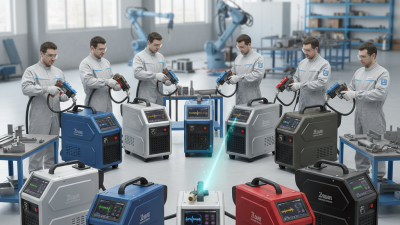
Laser welding machines are transforming the manufacturing landscape. These machines use focused laser beams to join materials. The precision and speed of laser welding make it a popular choice in various industries.
Dr. Emily Johnson, a renowned expert in laser technology, emphasizes, "The laser welding machine dramatically enhances efficiency and quality." Her extensive research underscores the machine's role in achieving seamless welds. This technology is vital for industries such as automotive and aerospace.
Yet, challenges remain. Mastering the use of a laser welding machine requires skill. Training is essential to maximize its potential. Operators must understand the best settings for different materials. This is where some may struggle. Effective use can lead to high-quality results, but mistakes can be costly. Emphasizing proper training is crucial for success in this field.
What is Laser Welding?
Laser welding is an advanced technique that utilizes focused laser beams to join materials, typically metals. It has gained popularity due to its precision and efficiency. According to industry data, the global laser welding market was valued at approximately $3 billion in 2022 and is expected to grow at a CAGR of over 6% through 2030. This growth is driven by the increasing demand for lightweight and high-strength materials in various sectors, including automotive and aerospace.
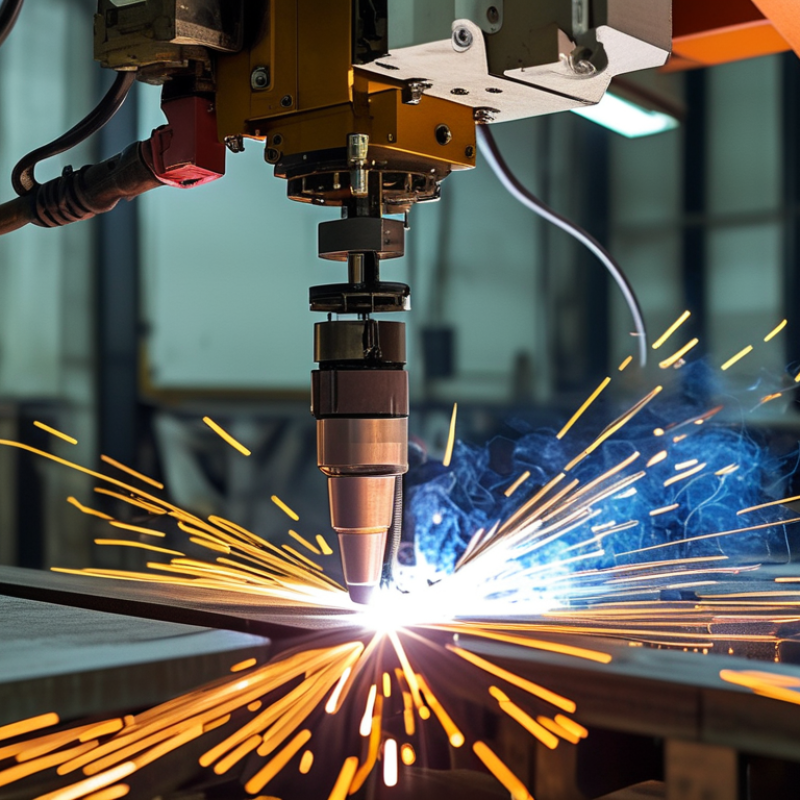
The process of laser welding involves directing a laser beam onto the workpieces, creating a concentrated heat source. This localized heating allows for deep penetration and minimal thermal distortion, leading to high-quality welds. However, monitoring is crucial. Improper parameters can lead to weak joints or excessive heat-affected zones that compromise the material's integrity.
Tips: Always ensure proper alignment of your workpieces. Misalignment can cause defects in the weld. Regularly calibrating your laser welding machine is important for consistent results. Lastly, consider the type of laser used; different materials may react better to specific laser wavelengths.
The Components of a Laser Welding Machine
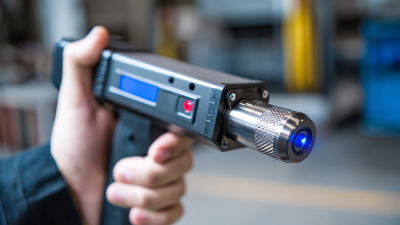
A laser welding machine consists of several critical components that work together to achieve precise welding. At its core is the laser source. This component generates a concentrated beam of light. Different types of laser sources are used, such as fiber lasers and CO2 lasers. Each type offers unique advantages in terms of efficiency and adaptability.
Another essential part is the optical delivery system. This system guides the laser beam to the welding point. It may include mirrors and lenses to focus the beam. Proper alignment is crucial to ensure optimal performance. Reports indicate that a well-aligned optical system can improve welding speed by up to 30%, which is significant for production lines.
Cooling systems also play a vital role in preventing overheating. Excessive heat can damage the machine and affect weld quality. This aspect often receives less attention, yet poor cooling can lead to costly downtime. Additionally, control systems are necessary for precision. These systems allow for adjustments in power, speed, and timing during the welding process. Data shows that effective control can reduce defects by over 20%. Continuous training on these components is vital for operators, thereby safeguarding the investment in such technology.
Components of a Laser Welding Machine
The Laser Welding Process Explained
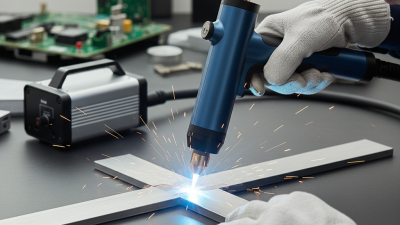
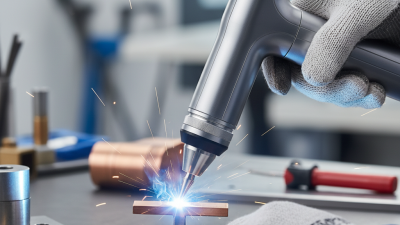
Laser welding is a highly specialized process that utilizes focused laser beams for joining materials. The laser generates intense heat, melting the base materials at the joint. As the materials cool, they form a strong bond. This method is precise and allows for intricate designs and high-speed operations. It is commonly used in various industries, including automotive and aerospace.
The process begins with light amplification through stimulated emission. The laser beam is directed through different optics, aiming at the joint. A filler material may be added to enhance the weld quality. The depth and speed are adjustable, providing flexibility for different applications. Despite its advantages, challenges remain. The setup can be complex, requiring skilled technicians for operation and maintenance.
Post-welding inspection is crucial. Inspectors assess the weld for defects such as cracks or incomplete penetration. Even experienced professionals face difficulties. Variations in material types could lead to inconsistencies in results. Continuous improvement in techniques and training is necessary for mastery. Balancing speed with quality remains a significant consideration in laser welding.
Applications of Laser Welding in Various Industries
Laser welding technology has gained traction across multiple industries due to its precision and efficiency. In automotive manufacturing, for example, companies are leveraging laser welding to create lightweight structures. Reports indicate that the automotive sector is expected to witness a growth of 12% in laser welding adoption by 2025. This technology allows for faster assembly and reduced material waste. These advantages make laser welding a clear choice for car manufacturers aiming to boost production rates.
In the aerospace industry, laser welding plays a crucial role in fabricating high-strength components. The Aerospace Industries Association highlights that the use of laser welding can enhance product life by over 30%. This technology improves joints that withstand extreme conditions. Yet, there are limitations. Mastery of this technique requires skilled professionals and substantial training. The high initial investment can deter smaller firms from adopting it fully.
Medical device manufacturing is another sector experiencing the impact of laser welding. Reports indicate that over 75% of medical devices utilize laser technologies. This process ensures precise and biocompatible joints, essential for patient safety. However, tighter regulations and compliance can pose challenges. Manufacturers must ensure that their procedures meet stringent health standards while finding ways to innovate.
Advantages and Disadvantages of Laser Welding Technology
Laser welding technology offers several advantages and disadvantages that are crucial for industries to consider. One of the key benefits is its precision. Laser welders can focus on small areas, making it ideal for complex components. According to a report from Industry Research, laser welding can achieve a penetration depth-to-width ratio of 10:1, which is significantly higher than traditional welding methods. This precision minimizes thermal distortion in sensitive materials, crucial for applications like aerospace and automotive industries.
However, the high initial investment can be a drawback. Setting up a laser welding machine often requires a significant capital outlay. A study from MarketWatch indicates that the cost of a laser welding machine can range from $50,000 to over $200,000, depending on the system's capabilities and features. Maintenance costs can also rise because laser equipment is complex and requires trained personnel for operation. This often leads businesses to reflect on their long-term financial strategy when deciding to adopt this technology.
Moreover, the narrow heat-affected zone can be both an advantage and a disadvantage. While it reduces the risk of thermal damage, it can complicate the joining of thicker materials. This necessitates careful planning and material selection. Laser welding’s effectiveness varies based on the types of materials being joined. Not every material welds well with lasers, which forces companies to reevaluate their processes continually.
What is a Laser Welding Machine and How Does it Work? - Advantages and Disadvantages of Laser Welding Technology
| Aspect |
Details |
| Definition |
A laser welding machine uses a laser beam to join materials together through melting and fusing. |
| Process |
Laser output is directed at the workpiece, creating a concentrated heat source to melt the material. |
| Materials |
Commonly used on metals such as steel, aluminum, and titanium; can also be used for plastics. |
| Advantages |
High precision, minimal heat affected zone, ability to weld thin materials, speed of the process. |
| Disadvantages |
High initial investment, requires skilled operators, limitations with certain material types. |
| Applications |
Used in automotive, aerospace, medical device manufacturing, and electronics. |
| Types of Lasers |
Fiber lasers, CO2 lasers, and solid-state lasers. |