Top 10 MIG and TIG Welder Options for Your Welding Needs?
When it comes to welding, choosing the right equipment is vital. Among the options available, MIG and TIG welders stand out for their unique capabilities. MIG, or Metal Inert Gas, is known for its ease of use. TIG, or Tungsten Inert Gas, offers precision and control. Each has its strengths, making them suitable for different projects and skill levels.
In this guide, we will explore the top 10 MIG and TIG welder options tailored to various welding needs. Whether you are a beginner or a seasoned professional, understanding the features of these welders can significantly impact your work. We aim to provide insight into the performance, reliability, and value of each model.
Choosing a MIG and TIG welder is not always straightforward. Many factors influence the right choice, including material type and weld quality. Users often share mixed experiences, highlighting the importance of researching before buying. Our focus is to help you find a welder that fits your specific requirements while ensuring you feel confident in your selection.
Introduction to MIG and TIG Welding: Understanding the Basics
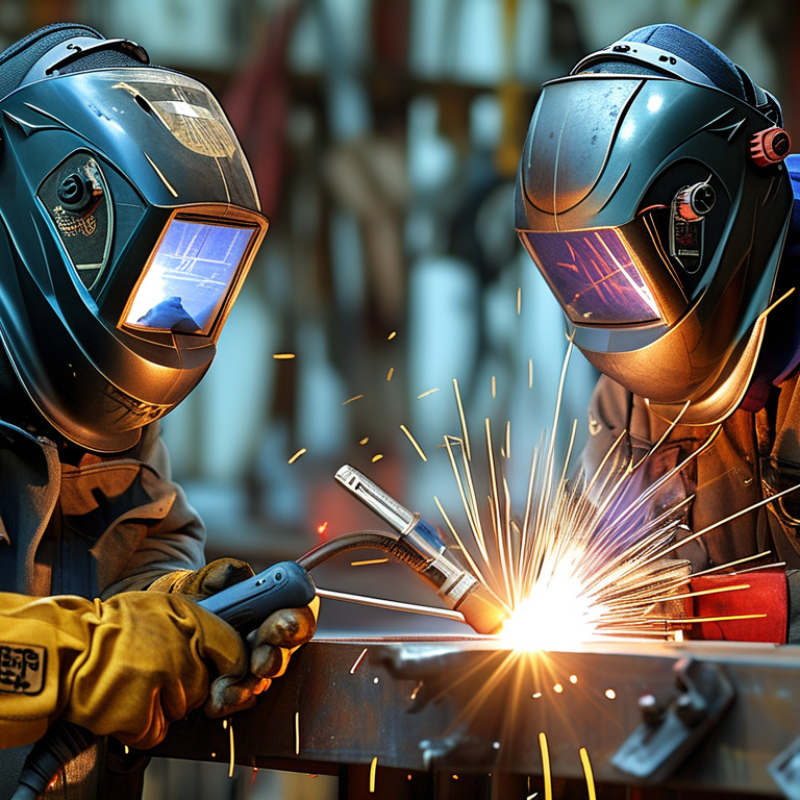
MIG and TIG welding are essential processes in the fabrication industry. Understanding these techniques allows for better choices in projects. MIG stands for Metal Inert Gas welding. This method is user-friendly and versatile. It's suitable for beginners and experts alike. It uses a continuous wire feed, making it efficient for various metals.
TIG, or Tungsten Inert Gas welding, is more complex. It provides greater control and precision, especially for thin materials. Welders use a non-consumable tungsten electrode. The process requires a steady hand, as it relies on skill. Practicing TIG welding can be challenging. Mistakes can happen, especially with heat management. Learning from these errors is crucial. Many welders face setbacks initially but improve over time.
Both methods have unique advantages and challenges. While MIG welding can be faster, TIG welding offers superior quality. Selecting the right technique depends on project requirements. It's essential to reflect on one's capabilities and project needs. Choosing the right welder can greatly impact the outcome. Explore both methods to determine your fit. Understanding these basics is vital for successful welding experiences.
Key Considerations When Choosing a MIG or TIG Welder
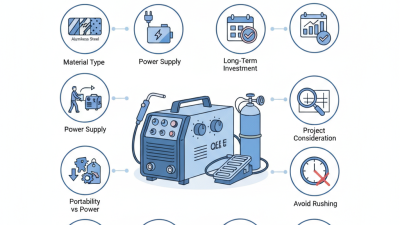
When selecting a MIG or TIG welder, several key factors arise. The type of metal you intend to weld is vital. Understanding the thickness of materials helps determine the right welder. For instance, MIG welding is often preferred for thicker metals, offering speed and efficiency. In contrast, TIG welding excels in precision tasks on thinner metals.
Consider the power requirements as well. A higher amperage welding machine delivers better performance for thicker materials. Professionals often recommend machines with 220V capabilities for industrial settings. However, portability is essential for hobbyists or on-site jobs. Weigh the options based on your workspace and project needs.
Tips: Always focus on the duty cycle rating. It indicates how long a welder can operate before needing a cooldown. A higher duty cycle means less downtime. Additionally, invest in quality protective gear. Safety should never be overlooked in any welding project. Understand the skill level required for operation, as this can impact your workflow. Adapting to challenges is part of the learning process. Embrace the journey, and don't be afraid to revisit your decisions.
Comparison of MIG and TIG Welder Features
Top 10 MIG Welders: Features and Benefits Overview
When exploring MIG welders, it's essential to understand their features and benefits. MIG welders are known for their versatility and ease of use. They are ideal for both beginners and experienced welders. A key report from the American Welding Society indicates that nearly 70% of welding jobs in manufacturing utilize MIG technology. This highlights the importance of selecting quality machines for optimal results.
These machines typically offer adjustable voltage settings, allowing users to fine-tune their performance according to material thickness. Many MIG welders come with an integrated spool gun option, which facilitates the welding of aluminum. A well-regarded industry study shows that welders who use machines with spool guns can increase productivity by up to 30%. However, not all MIG welders provide this feature, making it crucial to evaluate specifications.
Potential drawbacks exist as well. For instance, while some models are portable, they may lack the power needed for heavy-duty tasks. Furthermore, MIG welding requires a clean surface, which adds preparation time. Users often overlook these factors, assuming all MIG welders function similarly. Understanding these nuances is vital for making an informed choice.
Top 10 TIG Welders: Features and Benefits Overview
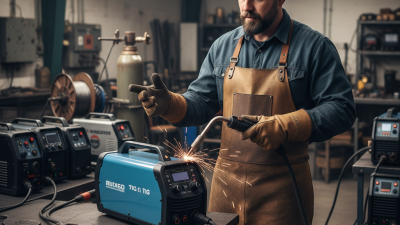
When selecting a TIG welder, understanding its features is crucial. TIG welders are known for their versatility and precision. They are ideal for thin materials and critical welds requiring high-quality finishes. A good TIG welder typically offers high-frequency arc starts, which provide better control and reduce contamination. The ability to adjust the amperage and the choice of torch types enhance customization for specific tasks.
Tips for choosing a TIG welder include checking the duty cycle and power output. These factors greatly influence performance, especially for larger projects. Consider the weight and portability if you plan to move between job sites. Some welders can be heavy, affecting their usability.
Also, watch the learning curve. Mastering TIG welding takes practice, and it may feel overwhelming initially. Transitioning from MIG to TIG could lead to frustration. Focus on practicing fundamental techniques, like maintaining a steady arc. Assessing personal comfort with the machine's features is essential for developing proficiency.
Top 10 MIG and TIG Welder Options for Your Welding Needs
| Model |
Welding Process |
Amperage Range |
Weight |
Key Features |
| Welder A |
MIG |
30-200 A |
50 lbs |
Compact, portable, easy setup |
| Welder B |
TIG |
10-150 A |
45 lbs |
Advanced control, high precision |
| Welder C |
MIG/TIG |
10-220 A |
60 lbs |
Versatile, dual-process capability |
| Welder D |
MIG |
20-180 A |
55 lbs |
User-friendly interface, strong output |
| Welder E |
TIG |
5-200 A |
48 lbs |
Inverter technology, energy efficient |
| Welder F |
MIG |
30-210 A |
50 lbs |
Durable construction, all-metal drive |
| Welder G |
TIG |
15-180 A |
43 lbs |
Portable, ideal for thin materials |
| Welder H |
MIG/TIG |
10-230 A |
62 lbs |
Multi-function, LCD display |
| Welder I |
TIG |
10-150 A |
40 lbs |
Lightweight, precise arc control |
| Welder J |
MIG |
20-200 A |
57 lbs |
Fast setup, good for heavy-duty |
Comparative Analysis of MIG vs. TIG Welding: Which is Right for You?
MIG and TIG welding are two popular techniques used for various welding projects. Choosing the right method depends on your specific needs. MIG welding is known for its speed and ease of use. It's ideal for beginners and larger projects. TIG welding, on the other hand, offers precision and control. It's perfect for thinner materials and intricate designs.
Tips: Consider the materials you'll be working with. MIG is suitable for steel and aluminum, while TIG excels with stainless steel and alloys. Safety is crucial. Always wear protective gear.
The learning curve can be steep, especially for TIG welding. Mastering the technique takes time and patience. Don't rush—practice is key. Both methods have their strengths and weaknesses. Understanding these can help you make informed decisions. Seek advice from experienced welders, and don't hesitate to ask questions. It's an ongoing learning process.